How to Fix a Bad Haircut

A bad haircut can often be fixed without starting over. Wait a few days, wash and style the hair yourself, name the exact problem, and contact the salon soon. Most fixes use restyling, blending, or a short correction cut. If styling cannot fix it, a new baseline and a clear plan with the stylist can.
A bad cut feels worse on day one. The salon blowout can hide uneven parts. Your own wash shows the true shape. This guide walks through 9 steps in order. It starts with a calm check at home. It ends with ways to hide the cut while it grows out.
Time: a few days to assess, plus a 1 to 2 hour correction appointment. Difficulty: Beginner. Steps: 9.
What You Will Need
-
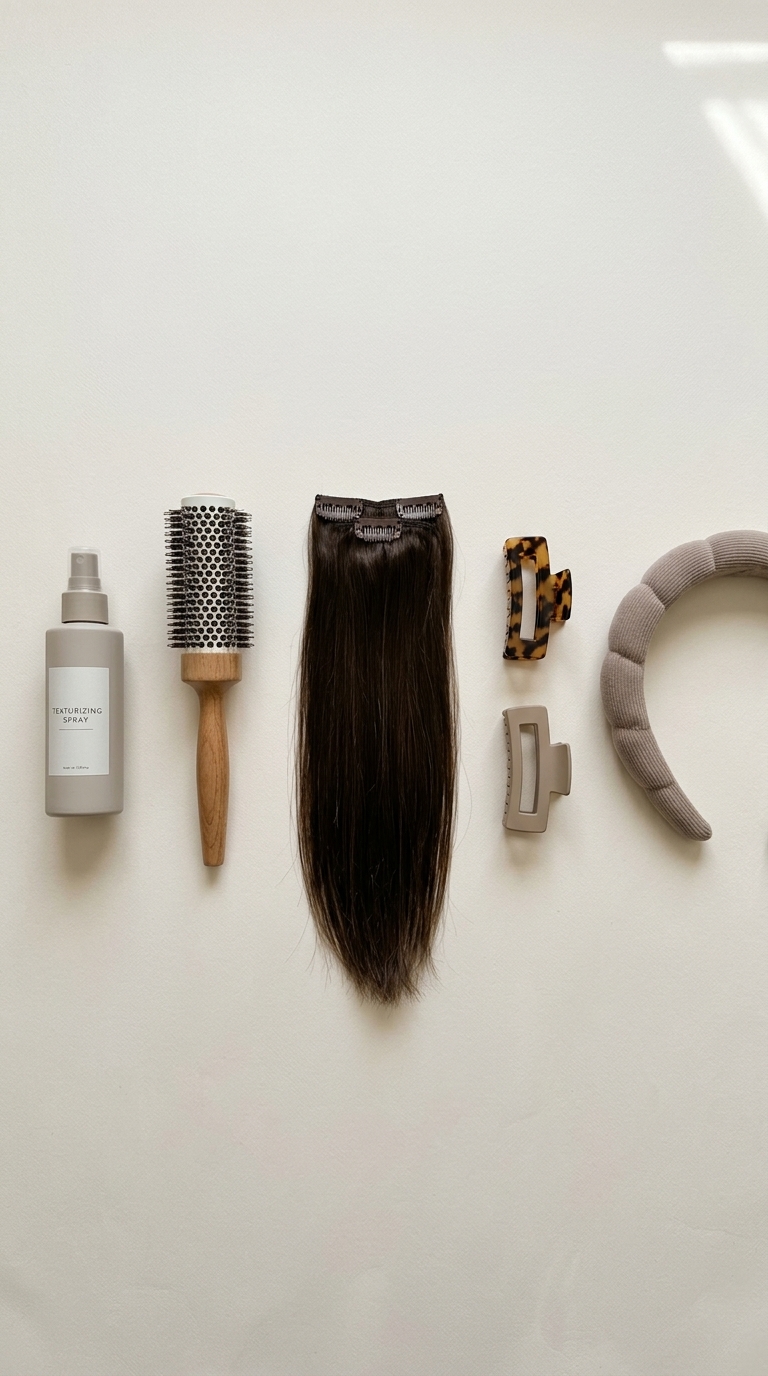
Texturizing spray. It adds grip and body, so uneven parts look softer.
-
Round brush. It helps smooth and shape the hair while you dry it.
-
Clip-in hair extensions. They add length or fullness where a section is too short.
-
Claw clips and padded headbands. They hold back short or uneven pieces while hair grows.
Step 1: Wait a few days before you judge it

Do not decide on day one. Wash the hair and let it dry the way you normally wear it. The true length and shape show after your own wash, not after the salon blowout. Take photos of the front, the side, and the back. Use a hand mirror in good light to check the back. These photos help you explain the problem later.
Step 2: Name the exact problem

A vague complaint does not help a stylist fix it. Sort the cut into a clear type. Is it uneven? Is one spot too short? Is it too short all over? Is it the wrong style for you? Is only the outline rough? Look at your photos and write down the one main fault. Also note where it sits, such as the back, one side, or the fringe.
Step 3: Try a styling fix first

Many cuts look better with a small change. Try a different part. A side part can hide a short patch. Use a texturizing product, not a slick shiny product that shows every uneven edge. A round brush can smooth a flared section. Claw clips can hold back a piece that sticks out. Do not cut the hair yourself to even it out. A home trim often makes the problem worse.
Step 4: Contact the salon soon

Do not wait weeks. Call the salon within a few days, while the cut is still fresh. Stay calm and clear. Say when you had the cut and what is wrong with it. Ask if the salon can look at it and what the next step is. If you do not want to go back to the same stylist, book a different stylist and explain what happened at the start.
Step 5: Match the problem to the right correction
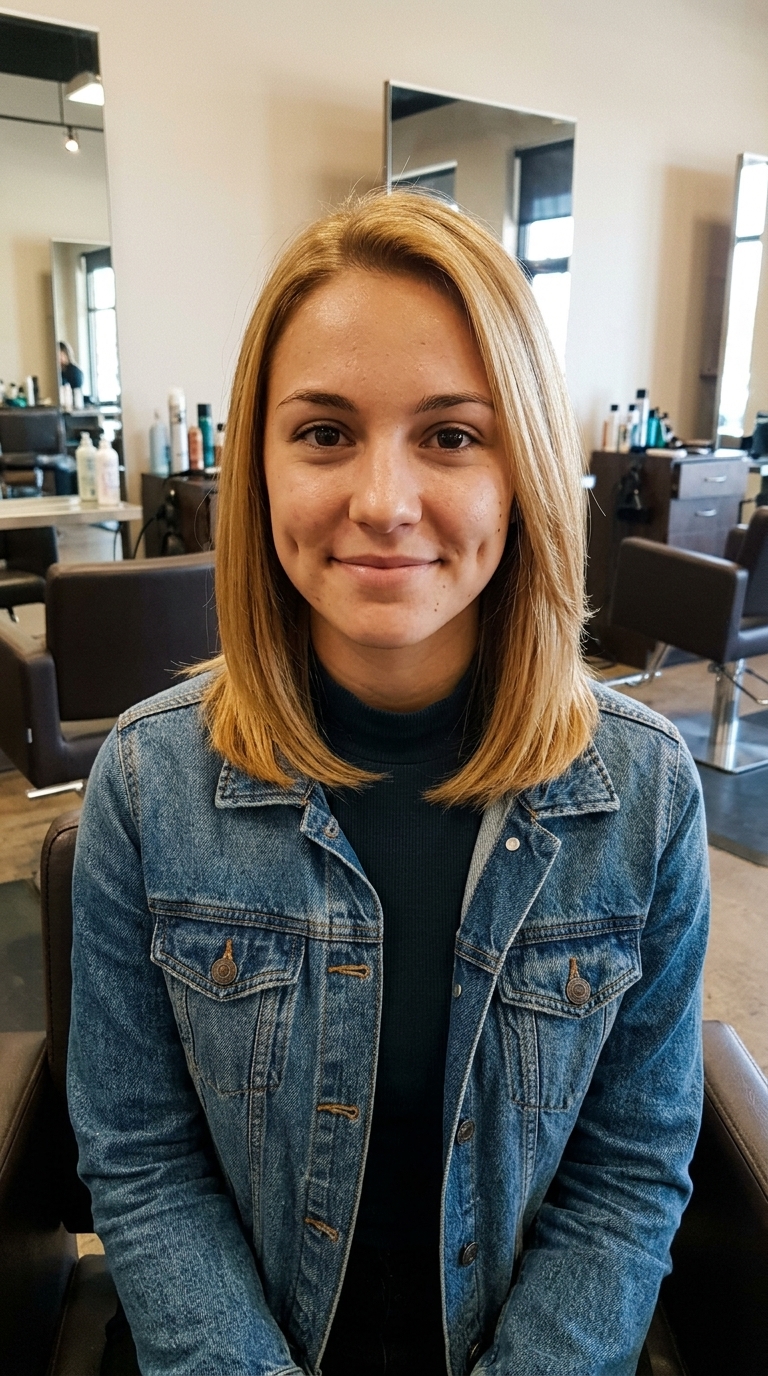
Each fault needs its own fix. Uneven hair is often fixed by evening the long side and blending the steps. A short patch is blended by taking the hair around it down just a little. A rough outline alone may need only a quick edge clean-up, which can take 10 to 15 minutes. A very uneven cut may need a new, shorter baseline before blending can work. In one published correction case, 5 inches came off the back and 1 inch off the sides to rebalance the shape. In another case, 4 inches off the back evened a self-cut style. These are examples, not a rule for every cut. The stylist should judge how much length must go.
Step 6: Say it clearly, with a photo
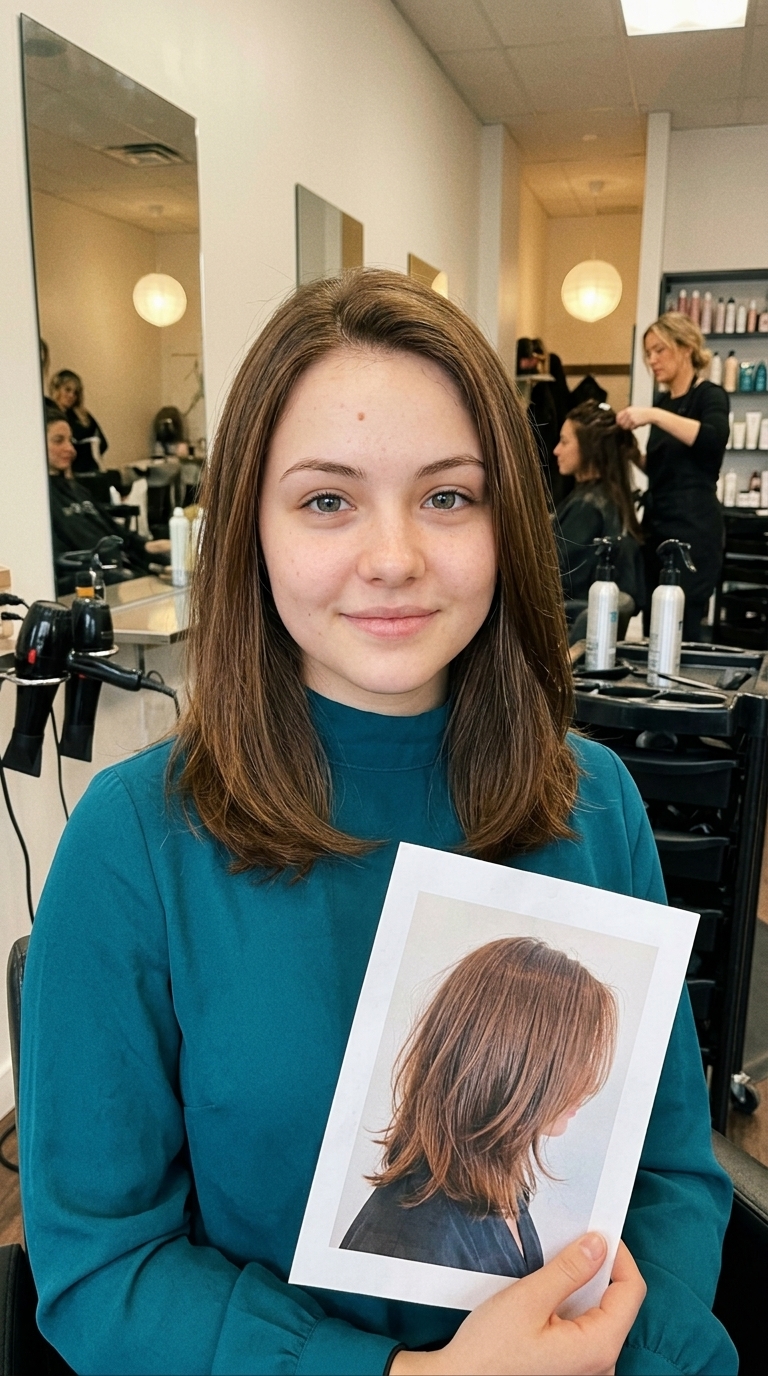
Bring a goal photo to the appointment. Point out what you like in the photo. Say what you do not want, in plain words. For example, say you do not want it shorter on top, rather than only naming a style. Ask three questions. Can it be evened today, or does it need to grow first? How short will blending make it? What is the plan for the next few weeks? Clear words stop a second bad cut.
Step 7: Speak up during the appointment

Do not sit silent and hope for the best. Speak up in the first few minutes if the plan sounds wrong. Ask to see the back during the cut. Missed pieces often hide at the back. Ask the stylist to dry and check the shape before the final snips, so the true length shows. A good stylist will explain each change as they work.
Step 8: If you are dismissed, escalate calmly

If the stylist brushes off your concern, do not just accept it. Ask to speak to the manager. Show your photos and explain the fault in one clear sentence. If the salon cannot help, try a different stylist and bring the same photos. Stay polite, but be firm about what needs to change. You are paying for a fix, not for another guess.
Step 9: Hide it well while it grows out

Hair grows about half an inch a month. That is slow, but most bad cuts soften with time. The first 1 to 3 days often look worst. Edges soften in week 1. Short patches start to blend in weeks 2 to 3, and that is often a good time for a small clean-up cut. By weeks 4 to 6, many cuts can be shaped into the style you wanted. While you wait, use texture to soften edges. Change the part. Use claw clips, a padded headband, or clip-in pieces to cover a short section. Keep the outline neat so the style looks planned, not patched.
Common Mistakes to Avoid
-
Do not trim it yourself at home to even it out.
-
Do not judge it on day one, from the salon blowout alone.
-
Do not stay silent in the chair and skip checking the back.
-
Do not give only a vague fix request, with no fault named and no goal photo.
-
Do not wait weeks before you contact the salon.
-
Do not cut it all off in frustration. Blending or a small shortening often works better.
Pro Tip
Take your photos in daylight, from the front, the side, and the back, before you call the salon. A clear set of photos does more than a long story. It shows the stylist the exact fault and saves time in the chair.
The Bottom Line
Fix a bad cut in order. Assess it at home, name the fault, try styling, and contact the salon soon. Use a photo and clear words at the correction visit. Then give the hair time to grow, with simple camouflage in the meantime. Most bad cuts can be blended, reshaped, or grown out with a plan.
Frequently Asked Questions
Should I go back to the same salon?
Yes, in most cases, and soon. The salon knows the cut and can often correct it. If you lost trust in that stylist, book a different stylist at the same salon or a new salon, and explain what happened first.
Can a cut that is too short be fixed without cutting more?
Sometimes, but not always. Styling, texture, and clip-in pieces can hide a short section. If the cut is uneven, blending may need a small trim on the longer side. A fade cut too high cannot get its length back, so it must grow out.
How long will it take to grow out?
Hair grows about half an inch a month. Edges soften in the first week. Short patches blend in weeks 2 to 3. Many bad cuts can be reshaped into the wanted style by weeks 4 to 6.
Should I cut it myself to fix it?
No. Home trims often make uneven hair worse, and they can remove length you need for blending. Leave the correction to a stylist, and use styling and clips in the meantime.
What if the salon will not fix it?
Ask for the manager and show your photos. Explain the fault clearly and ask what the salon can do. If that fails, book a different stylist, bring your photos, and ask for a plan before any cutting starts.